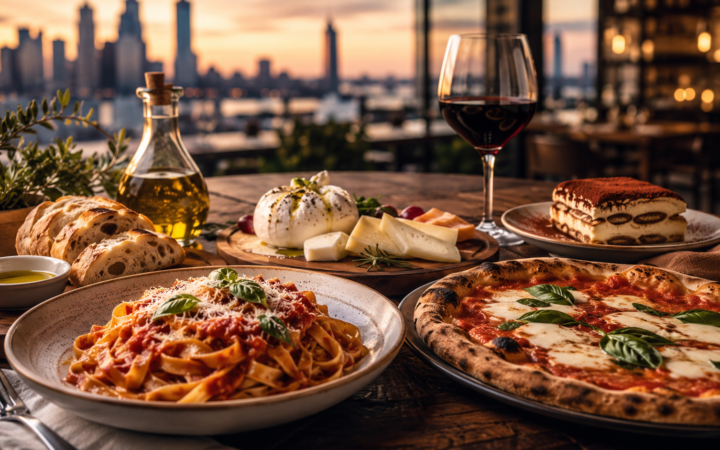
Italian Cuisine in America
How Pasta, Pizza, and Regional Italian Food Became Part of the American Table Italian cuisine is one of the most powerful food cultures in…
Built for Restaurant Operators, Food Entrepreneurs, and Industry Learners
Archive
Restaurant Cuisine Guides is Food Business USA’s editorial hub for understanding global cuisines as restaurant business models.
Every cuisine has a story, but for restaurant operators, the real question is deeper: How does that cuisine work as a business? A Turkish kebab house, a Korean BBQ restaurant, a Mexican taqueria, an Italian pasta concept, a Japanese ramen shop, or a Greek seafood restaurant may all serve food, but they operate through very different systems.
This section studies cuisines through the lens of restaurant ownership, menu design, kitchen operations, equipment planning, service style, guest expectations, and commercial opportunity in the United States.
Restaurant Cuisine Guides explores how different cuisines become real restaurant concepts in America.
Each guide looks beyond ingredients and recipes. The goal is to understand the full operating model behind a cuisine: what kind of restaurant it can become, what equipment it may require, how the menu is structured, what makes the concept profitable, and what operators should study before entering the category.
You will find guides covering topics such as:
Cuisine is one of the most important strategic decisions in a restaurant.
It affects the menu, kitchen layout, labor needs, food cost, equipment investment, branding, guest expectations, average check size, and even the real estate strategy. A cuisine is not just a theme. It is a business framework.
For example, a Turkish restaurant may be built around live-fire kebabs, bakery café traffic, seafood hospitality, breakfast spreads, or dessert and tea culture. A Korean restaurant may center on tabletop BBQ, fried chicken, stews, street food, or bakery cafés. A Mexican restaurant may operate as a taqueria, full-service cantina, tortilleria, seafood concept, or regional fine-casual brand.
Each format has its own equipment stack, staffing rhythm, prep demands, and revenue opportunities.
That is why Food Business USA studies cuisine as an operating system, not just a cultural label.
These guides are designed for restaurant owners, chefs, investors, food entrepreneurs, equipment buyers, marketers, and anyone studying how food concepts work in the American restaurant market.
They are especially useful if you are:
Start with the cuisine that interests you most, then study its restaurant formats.
Instead of asking only, “What dishes belong to this cuisine?” ask:
What kind of restaurant can this cuisine become?
That question leads to better business decisions. It helps clarify whether the opportunity is a grill concept, bakery café, seafood restaurant, breakfast destination, fast-casual model, dessert shop, street-food concept, or full-service dining room.
Each guide is written to help you connect culture, food, equipment, operations, and market positioning into one clearer restaurant strategy.
Browse our Restaurant Cuisine Guides to study how different cuisines work inside the U.S. food business landscape.
From Turkish cuisine and Mediterranean dining to Korean BBQ, Mexican taquerias, Italian pasta concepts, Japanese ramen shops, Greek seafood restaurants, Middle Eastern bakeries, and American regional food traditions, this category helps you understand the business behind the plate.
How Pasta, Pizza, and Regional Italian Food Became Part of the American Table Italian cuisine is one of the most powerful food cultures in…
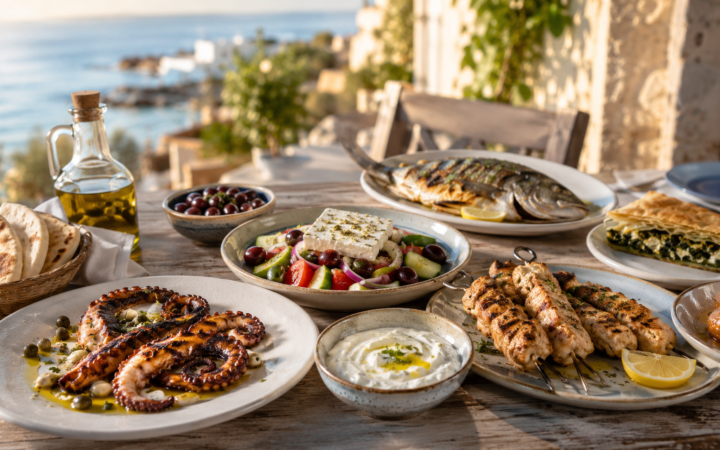
Greek cuisine is one of the clearest examples of how food culture becomes a restaurant business system. For many American diners, Greek food is…
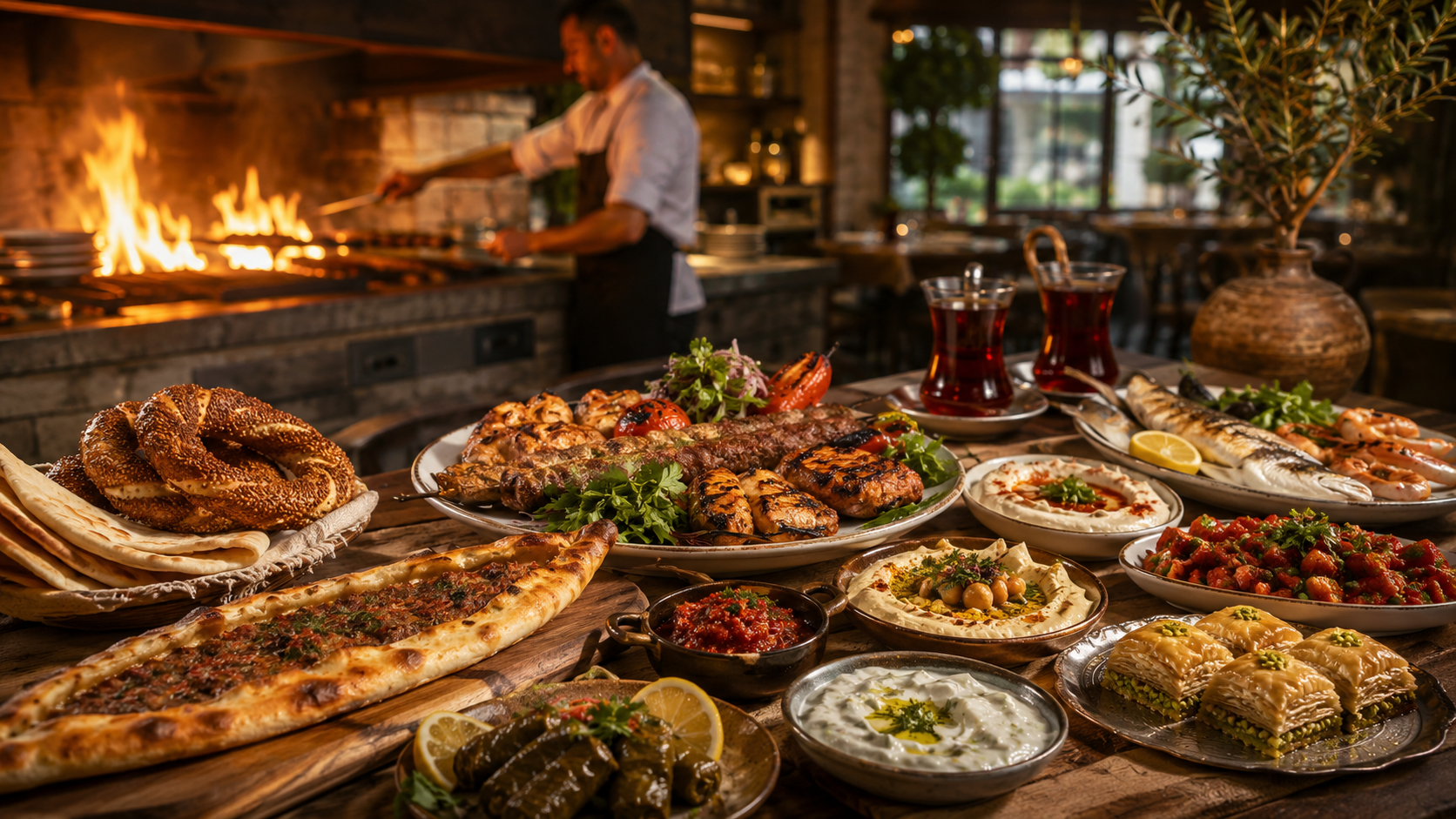
Turkish cuisine is not a single restaurant idea. It is a full operating system. For an American restaurant operator, that is what makes it…